How to Plan a Corporate Event That Actually Delivers ROI
Corporate events are often judged on how they look or how smoothly they run. But for brands investing serious budget, the real question is simple. What did the event actually deliver? Especially in London, where event costs are high.
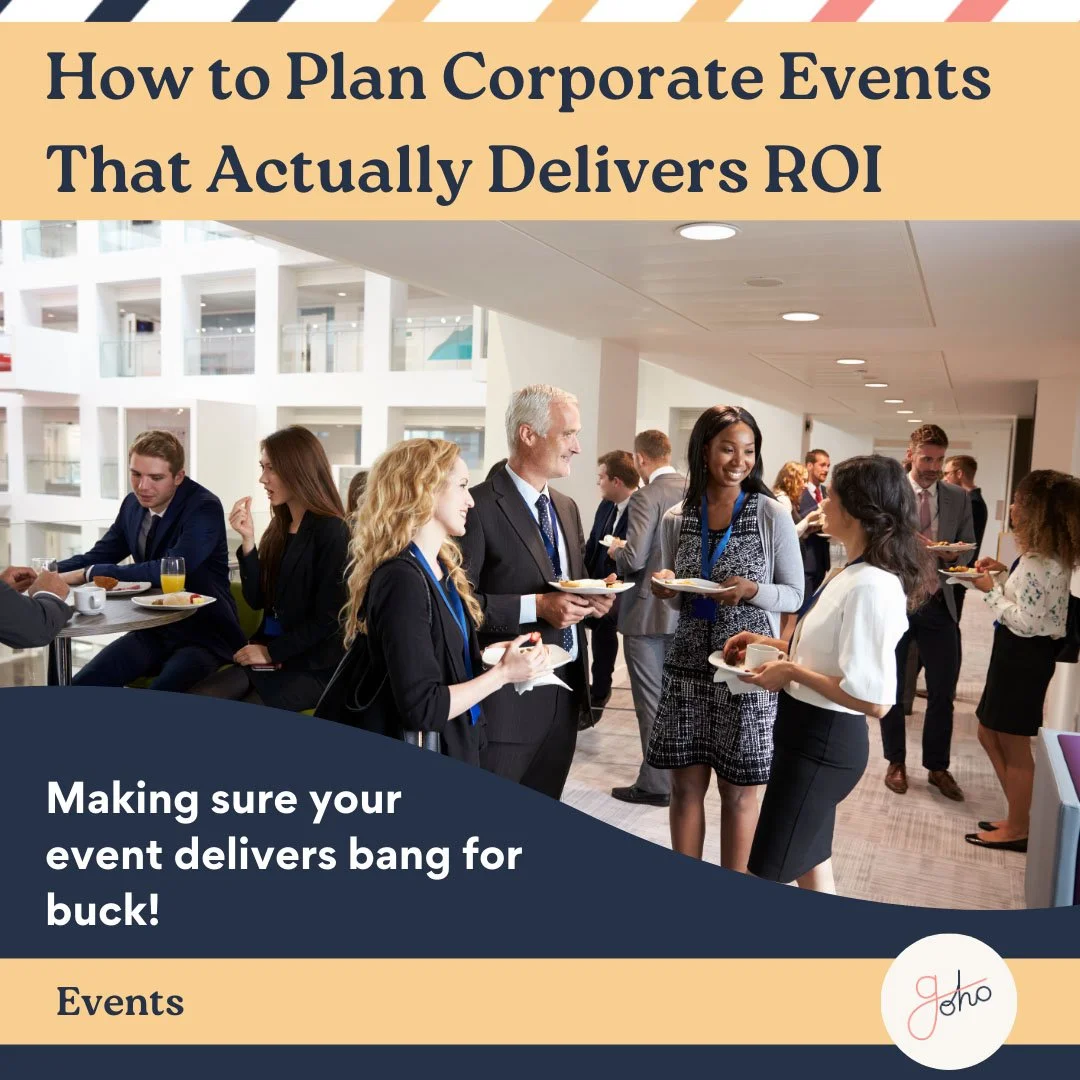
Cash return on investment in events is not accidental. It is planned from the start. Here’s our guide to making sure your event delivers bang for buck:
Start With a Clear Objective
Before venues, guest lists or creative ideas, define what success looks like.
This might be:
Increasing brand awareness within a specific audience
Generating press or social coverage
Building relationships with key stakeholders
Supporting a product launch or repositioning
If the objective is unclear, ROI will be impossible to measure.
Know Exactly Who the Event Is For
An event designed for everyone usually resonates with no one.
Be specific about your audience. Consider their role, industry, motivations and what they already know about your brand. This will shape everything from format to messaging to how the experience feels on the day.
The more focused the audience, the stronger the return.
Design the Experience Around the Outcome
Every element of the event should support the objective.
That includes:
The format and flow of the event
The content and speakers
The environment and atmosphere
The moments guests will remember and share
A well-designed experience guides people toward a feeling, an idea or an action that benefits the brand.
Build Measurement In From the Start
ROI does not always mean immediate sales.
It can include:
Media coverage
Social engagement
Qualified leads
Brand sentiment
Follow-up conversations
Decide what you will measure before the event happens, not after. This allows you to design touchpoints that make results visible.
Think Beyond the Event Day
High-performing corporate events live longer than a single moment.
Plan how the event will be used afterwards through content, PR, social media and follow-up communications. When an event becomes a platform rather than a one-off, ROI increases significantly.